One Year After Liberation Day: How Trump's Tariffs Changed the Cost of Sending Money Abroad
April 2, 2026, marked exactly one year since "Liberation Day" — when the Trump administration announced sweeping tariffs with country-specific rates up to 50% and a 10% baseline. For anyone sending money internationally, the consequences have been significant and largely negative.
What happened to the dollar?
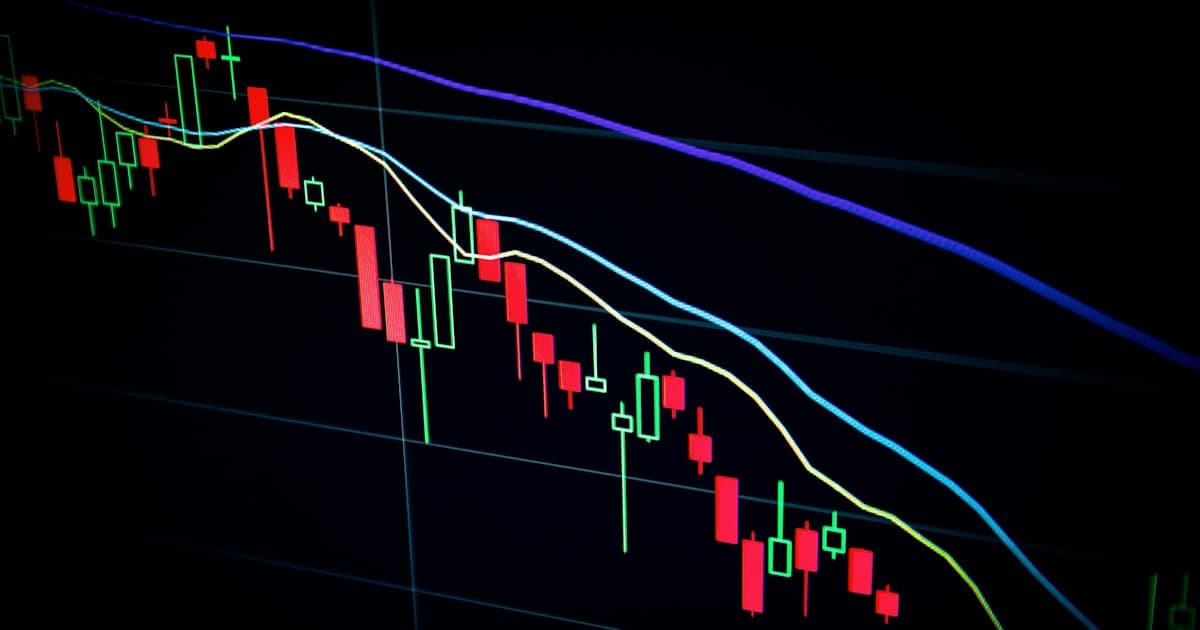
The DXY dollar index fell to 99.9 on April 7, 2026 — down nearly 3% over 12 months. Harvard economist Kenneth Rogoff has said historians may look back at Liberation Day as marking "the beginning of the end of the dollar's absolute dominance."
Against the euro and other major currencies, a weaker dollar means fewer units of foreign currency for each dollar transferred. Many emerging-market currencies fell further than the dollar did, though: the rupee went from around ₹85–86 per dollar in April 2025 to ₹93.28 on April 7, 2026, so $1,000 sent to India now buys more rupees, not fewer.
How tariffs affect exchange rates
Tariffs create a chain reaction that weakens the dollar:
- Higher import costs → US inflation increased by 0.76 percentage points → the Fed delays rate cuts → but trade uncertainty still weakens the dollar
- Retaliatory tariffs → reduced US exports → weaker trade balance → the US goods deficit hit an all-time high in 2025 despite tariffs
- Capital flight → international investors rethinking US assets → reduced dollar demand
Emerging market currencies hit hardest
The tariff shock didn't just weaken the dollar — it destabilised emerging market currencies that millions of diaspora senders depend on:
| Currency | Impact | What It Means for Senders | Compare |
|---|---|---|---|
| Indian Rupee (INR) | Record low ₹95.21 per USD (March 30) | More rupees per dollar — good time to send | Rates → |
| Pakistani Rupee (PKR) | Under pressure | Volatile — use rate alerts | Rates → |
| Mexican Peso (MXN) | Resilient | MXN held up better than most — trade integration | Rates → |
The double hit: weaker dollar + remittance tax
US-based senders now face two simultaneous cost pressures:
- The weakening dollar reduces how much your recipient gets wherever their currency has gained on it, such as the euro
- The 1% US remittance tax (effective January 1, 2026) adds an extra cost on cash-funded transfers
Together, these make it more important than ever to compare providers before every transfer. The difference between the cheapest and most expensive provider can be 3-5% — which now matters even more when the base rate is moving against you.
What to do now
- Set rate alerts. Use Wise or Xe to get notified when your target rate hits. In volatile tariff periods, rates can swing 1-2% in a day.
- Watch the direction of your own pair. The dollar's broad fall has not been uniform — against the rupee it has risen — so check the rate history for your corridor before deciding when to send.
- For large transfers, use forward contracts. OFX lets you lock in today's rate for up to 12 months — protecting you from further dollar weakness.
- Switch from cash to digital. Avoid the 1% remittance tax entirely by funding via bank transfer or debit card instead of cash. Read our remittance tax guide.
- Compare every time. Our comparison tool shows real-time rates from 80+ providers. In a volatile market, the cheapest provider can change daily.
For broader context on how central bank decisions move exchange rates, read our guide to central bank rate decisions and transfers. For corridor-specific advice, see our India, Pakistan, Philippines, and Mexico guides.